

- Meet your tour director and check into hotel
Vietnam: Ho Chi Minh City to Hanoi
Experience the richness of Vietnam on a journey that blends history, culture, and stunning landscapes. Explore Ho Chi Minh City’s wartime heritage and vibrant neighbourhoods, wander the ancient streets of Hoi An, and uncover Hue’s imperial legacy. Sail through the emerald waters of Ha Long Bay with an overnight cruise featuring kayaking, cave visits, and sunrise Tai Chi. Along the…
Request Info Request Quote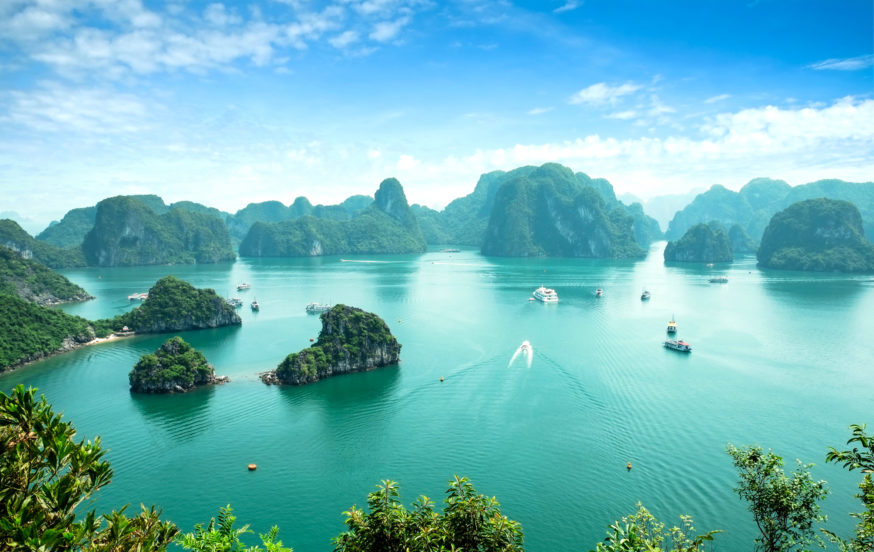
https://worldstrides.com.au/itineraries/vietnam-ho-chi-minh-to-hanoi
Vietnam: Ho Chi Minh City to Hanoi
Experience the richness of Vietnam on a journey that blends history, culture, and stunning landscapes. Explore Ho Chi Minh City’s wartime heritage and vibrant neighbourhoods, wander the ancient streets of Hoi An, and uncover Hue’s imperial legacy. Sail through the emerald waters of Ha Long Bay with an overnight cruise featuring kayaking, cave visits, and sunrise Tai Chi. Along the…
Request Info Request Quote11-13 days
 Destinations
HanoiHueHoi AnHo Chi Minh City
 Learning Areas
Humanities & Social Sciences
 *Extend your tour
Days 11-13: Cambodia extension
Your Adventure
- Vietnam War Cu Chi Tunnels guided visit Explore the Cu Chi Tunnels, a 75-mile underground network outside Ho Chi Minh City built for resistance and survival during the Vietnam War. Discover hidden kitchens, hospitals, and meeting rooms carved beneath the earth, and see bomb craters that remain as evidence of the conflict. Today, the site stands as both a memorial and a powerful visitor experience, offering a glimpse into wartime resilience.
-
Ho Chi Minh City walk
Vinh Nghiêm Pagoda visit, Lacquerware workshop, Chinatown (Cholon), Thien Hau Pagoda, Bình Tây Market
Praying for an end to the war, Buddhists from Japan donated a large bell to the newly built Vinh Ngheim Pagoda. The pagoda now stands as the city's largest and most beautiful temple. Since the early 1800’s Ho Chi Minh City's various Chinese populations have been settling into the crowded, lively streets of the Cholon district, bringing their own regional specialties and skills to the area. All are on display at the Binh Tay market, where sellers aggressively push their food, gifts, clothing, and more. Need an escape? The Thien Hau Pagoda offers a spiritual renewal, with bright decorations and clouds of incense. Get a deeper look at Vietnam's crafts at a traditional lacquerware workshop. Considered the best in the world, Vietnam's lacquer bowls, boxes, and trays can take up to four weeks to make.
- Long Tan Battlefield visit Travel towards Ba Ria – Vung Tau and visit the Long Tan Memorial Cross, set amidst the peaceful surroundings of the rubber plantations. Take a moment to reflect on the Battle of Long Tan in 1966, one of the most well-known engagements fought by the Australian Army during the Vietnam War. Next, stop by the former 1st Australian Task Force Base at Nui Dat, now a clearing surrounded by rubber plantations. Continue to Long Phuoc to explore the remnants of a wartime tunnel complex. Finish the day at a viewing point overlooking Horseshoe Hill, a strategic observation outpost established by Australian forces.
-
Ho Chi Minh City guided sightseeing tour
War Remnants Museum visit, Reunification Palace, Saigon Notre-Dame Basilica, City Hall
An elegant city built on marshland, the economic center of Vietnam, a metropolis of heavy Soviet architecture and sprawling American-style hotels. Ho Chi Minh City (still often called by its former name of Saigon) comfortably - and profitably - combines Vietnam's competing colonial influences. See French symbolism at the Notre Dame Cathedral and City Hall, either of which would look right at home on the Côte d'Azur. The War Remnants Museum looks unflinchingly at the wars with both the French and the Americans, and at the damage inflicted on the country and its residents during the wars. You can almost step back into that time at the Reunification Palace, preserved as it was on the morning of April 30, 1975, when South Vietnam surrendered to North Vietnam.
- Fly to Da Nang
- Museum of Cham Sculpture visit From the 7th through the 17th centuries, Champa culture flourished in southern Vietnam. The culture was heavily influenced by India and brought both Hinduism and Buddhism into the country as well as creating a superb artistic heritage. See the highlights of Cham sculpture in this museum, including elaborate altars to Shiva and intricate animal figures.
- Travel to Hoi An via Marble Mountains & Non Nuoc beach
-
Hoi An city walk
Historic town, Chinese Assembly Halls visit
Miraculously escaping the ravages of Vietnam's modern wars, the merchant city of Hoi An brings visitors back into old Vietnam. The town was once a major international port, and the influence of the Japanese, Portuguese, French, Dutch, and Chinese merchants who walked its streets lingers in its architecture. See merchant houses and shops from the 1700’s with their unique wooden doors, a picturesque Japanese-style covered bridge, and imposing assembly halls for Chinese residents with your tour director.
- Market visit and cooking class with lunch Set off to a local market with a chef who will share valuable tips, including how to select fresh eggs, choose ripe fruit, and identify the herbs commonly used in Vietnamese cuisine. Then, take part in a hands-on, entertaining cooking class where you’ll learn about the typical ingredients of Central Vietnamese dishes. Finish the experience by tasting the delicious dishes you’ve prepared.
- Lantern making workshop The silk lantern is a simple yet vibrant handicraft that has become an iconic part of Hoi An culture. Inspired and crafted by local artisans, these lanterns are believed to bring good fortune and are deeply rooted in tradition. Explore a workspace with local craftsmen for a brief introduction to the history, shapes, colors, and stages of lantern production. You’ll also have the opportunity to create your own lantern and take it home as a unique souvenir.
- Travel to Hue via Hai Van pass On the way to Hue, drive along Hai Van Pass, a scenic mountain pass along the coastline of central Vietnam, connecting Hue and Da Nang. Famous for its breathtaking coastal and mountain views, winding roads, and mist-covered peaks, it offers one of the most picturesque drives in Vietnam.
- Mausoleums of Emperors Khai Dinh & Minh Mang visit Emperors Minh Mang (ruled 1820-41) and Khai Dinh (1916-25) built grand temples to serve as their palaces after death. Authoritarian Minh Mang used 10,000 workers for three years to construct his Chinese-style complex, while the construction of Khai Dinh's mausoleum took two years longer than his nine-year reign. The result is a frothy Baroque palace filled with elaborate dragons and other decoration, much of it imported from France.
- Imperial Citadel visit The capital of Vietnam from 1802 to 1945, Hué still flashes its first-city pride at the citadel. Emperor Gia Long created a full city within its walls; unfortunately, his magnificent buildings were mostly destroyed during the Tet Offensive of the Vietnam War, which leveled most of the city. What remains is still impressive, however, especially the Thai Hoa Palace, whose gleaming red and gold interior hosted major imperial ceremonies. Don't miss the soaring Ngo Mon gate at the entrance -- in addition to its elegant watchtower, the gate boasts two entrances dedicated for use solely by the emperor's elephants.
- Perfume River (Huong River) cruise to Thien Mu Pagoda Cruise along the Perfume River (Huong River) to the Thien Mu Pagoda, built in 1601 and considered the oldest pagoda in Hue. Over the centuries, it has been an important center of Buddhist thought and political activity. The pagoda also houses the blue Austin car that transported monk Thich Quang Duc to Saigon, where he carried out his famous self-immolation in 1963 to protest government repression of Buddhists.
- Dong Ba market visit The colourful, noisy Dong Ba marketis a perfect place to shop for souvenirs. Be sure to check out the translucent conical hats, called "non Hue." A local specialty, the hats are designed with multicolored patterns or writing on the inside that reflect prettily on the wearer's face when the sun shines.
- Fly to Hanoi
- Travel to Ha Long Bay Journey by coach to the UNESCO World Heritage-listed Ha Long Bay. Made up of 1600 islands, Ha Long Bay legend says the islands were created by a great dragon living in the mountains.
- Ha Long Bay overnight cruise Cruise along Ha Long Bay and overnight on board the ship. Water-breathing dragons? Legend claims that the enormous limestone boulders in Ha Long Bay arrived when dragons descended to defend Vietnam; they liked it so much that they stuck around, the mother's spine creating one side of the bay, the baby's tail creating the sand beach opposite, and the rocks they spewed at the invaders becoming the enormous islands that dot the bay.
- Kayak to Trinh Nu Cave
- Dinner on board cruise
- Sunrise Tai Chi lesson Start your day in Ha Long Bay with a peaceful sunrise Tai Chi session on the deck of your boat.
- Sung Sot Cave visit Sung Sot Cave is the largest limestone cave in Ha Long Bay, featuring two chambers, impressive stalactites, a small lake, and even monkeys nearby.
- Disembark cruise ship
- Travel to Hanoi
-
Hanoi guided sightseeing tour
Ho Chí Minh Mausoleum, One Pillar Pagoda, Temple of Literature, Army Museum, Old Merchant Quarter
- Know One Teach One dinner KOTO is Vietnam’s first social enterprise, where business and social impact intersect. It's philosophy, “Know One, Teach One,” encourages graduates to pass on their knowledge, creating a cycle of learning and empowerment. Tonight enjoy a meal prepared by the trainees, and support the program’s mission.
- Travel home or extend to Cambodia
Tour Extension to Cambodia
- Fly to Siem Reap Return home date is subject to flight schedule.
- Tonlé Sap Lake cruise Accompanied by a knowledgeable guide, cruise over the shimmering surface of Tonlé Sap Lake to see floating villages and observe the surroundings for rare wildlife; and watch agricultural traditions of harvesting, rice planting and cricket catching.
- Floating villages visit
- Phnom Bakheng Hill Phnom Bakheng is a Hindu and Buddhist temple in the form of a temple mountain. Dedicated to Shiva, it was built at the end of the 9th century, during the reign of King Yasovarman.
- View sunset at Angkor site
-
Angkor Archaeological Park guided sightseeing tour
Angkor Wat visit, Angkor Thom visit, Ta Prohm Temple visit, Bayon Temple visit.
The Angkor complex is one of the most important archaeological sites in South-East Asia. Stretching over 4000 square feet, Angkor Archaeological Park contains the glorious remains of the capitals of the Khmer Empire, from the 9th to the 15th century. Explore the famed Temple of Angkor Wat and, at Angkor Thom, the Bayon Temple with its countless sculptural decorations. - Old Market visit